
Alright, we’re jumping right in today. No long-winded intros, no fancy science talk up front—just a real conversation, mom to mom, because this is something that honestly stopped me in my tracks.
I was standing in my kitchen, pantry door open, pulling out a few cans I keep “just in case.” You know the kind—storm season, sick days, weeks when life gets busy and cooking from scratch just isn’t happening. And then I noticed something I hadn’t paid attention to before.
“Contains bioengineered food ingredients.”
I froze.
I read labels. I thought I read labels well. But apparently, I wasn’t reading the entire label. And once I saw it on one can… I started checking everything. Soups. Breadcrumbs. Cheese dip. Even items I’ve used in cooking videos and quick family meals for years.
That moment sent me down a rabbit hole I didn’t expect—and today, I want to walk you through it, calmly, honestly, and without fear-mongering. Just awareness. Because knowledge really is power, especially when you’re feeding a family.
What Is Bioengineered Food, Really?
Let’s break this down in plain English.
Bioengineered foods (also called genetically modified or GMO foods) are foods made from plants or animals that have had their DNA changed in a lab. Scientists modify the genetic material to create certain traits—like resistance to pests, tolerance to herbicides, or longer shelf life.
This isn’t the same as traditional crossbreeding or selective growing that farmers have done for centuries. Bioengineering involves altering genes in ways that wouldn’t happen naturally.
As of January 2022, food manufacturers in the U.S. are required by law to disclose bioengineered ingredients on food labels. That’s why you’re seeing this wording more often now—not because it’s new, but because the labeling finally is.
Why So Many Moms (Including Me) Want to Avoid It
Let me be clear: this isn’t about telling anyone what to eat. Every family has different budgets, needs, and priorities. But here’s why many parents prefer to limit bioengineered foods when they can:
- Unknown long-term health effects
- Increased exposure to herbicides like glyphosate
- Concerns about gut health and inflammation
- Desire for more natural, whole foods
- Wanting transparency in what we feed our kids
For me, it was the lack of awareness that bothered me most. I didn’t know what I was buying—and I didn’t like that feeling.
Where Bioengineered Ingredients Are Hiding (This Is the Shocking Part)
Most of us are taught to read ingredient lists. But what I learned is this:
👉 The bioengineered disclosure is often NOT in the ingredient list.
👉 It’s usually below it, off to the side, or in tiny print.
Here are some real-life examples from my own pantry:
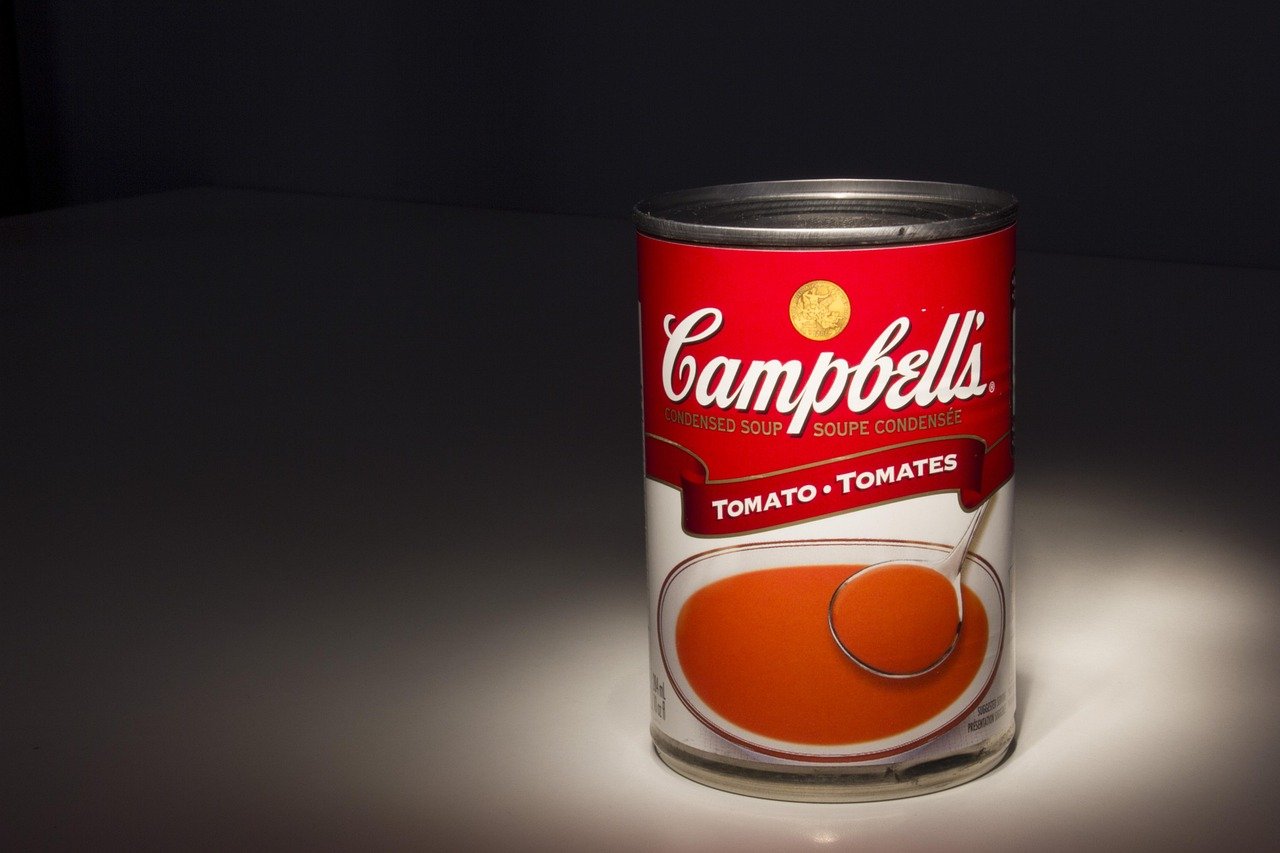
- Canned soups (regular, chunky, classic—many brands)
- Breadcrumbs (yes, breadcrumbs!)
- Cheese dips
- Store-brand packaged foods
- Processed meats
- Convenience items we grab when life is busy
Some labels are bold and obvious. Others? Blended into the background so easily you’d miss them unless you’re actively looking.
The “Big Three” Bioengineered Crops
If you remember nothing else, remember these:
🌽 Corn
Includes:
- Corn syrup
- Corn oil
- Corn starch
- Corn meal
🌱 Soybeans
Includes:
- Soy oil
- Soy lecithin
- Soy protein isolate
🌿 Cotton
Includes:
- Cottonseed oil
If you see these ingredients in packaged foods, there’s a strong chance they come from bioengineered crops unless labeled otherwise.
Other Bioengineered Foods That Might Surprise You
This is where it gets uncomfortable—because some of these are whole foods, not processed items.
- Sugar beets (used for granulated sugar)
- Canola (canola oil)
- Alfalfa (mostly animal feed)
- Papaya (whole fruit)
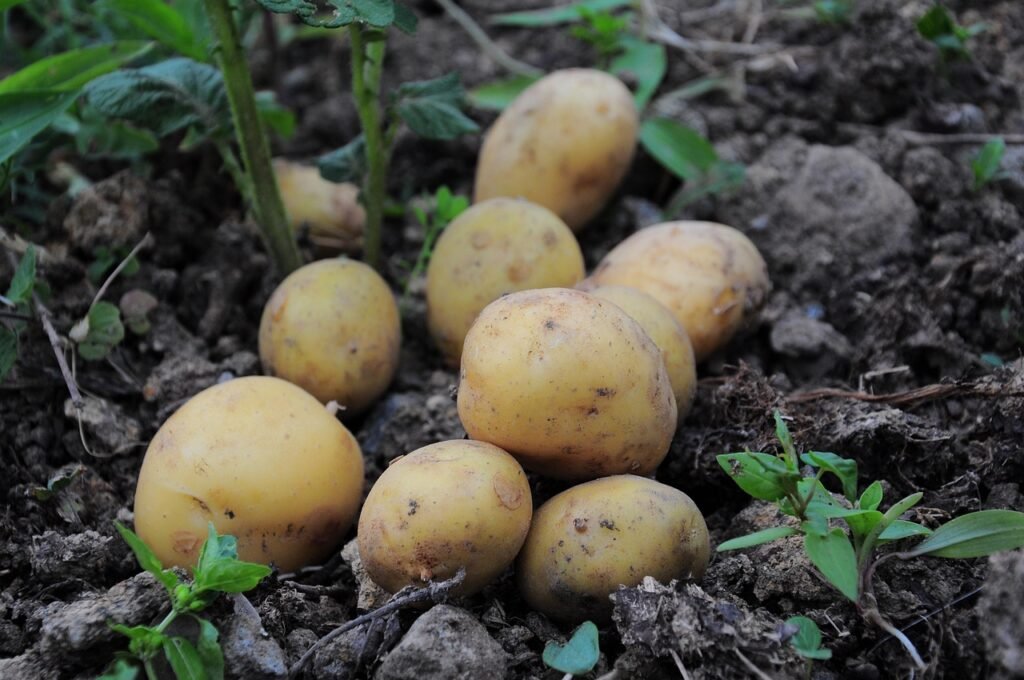
- Potatoes (whole vegetable)
- Apples (especially Arctic varieties that don’t brown)
- Summer squash
- Salmon (specifically AquaAdvantage salmon)
- Eggplant (certain varieties)
- Pineapple (pink-fleshed varieties)
And here’s the big question I had too:
If it’s a loose fruit or vegetable in a bin… where’s the label?
Exactly.
Why You’re Just Noticing This Now
The labeling law was passed in 2016, but it didn’t become mandatory until January 2022.
That means:
- Some older products may not be labeled
- We aren’t used to looking for it yet
- It’s often placed where we don’t expect it
No wonder so many of us missed it.
Reading Labels Like a Mom on a Mission
Here’s what I do now—and it’s simple:
- Read the ingredient list
- Then read everything below it
- Check side panels and fine print
- Look for:
- “Contains bioengineered food ingredients”
- “Derived from genetically modified crops”
It takes an extra 10 seconds, but once it becomes habit, it’s second nature.
But What About Budget and Convenience?
Listen—this is real life.
I still keep canned goods for emergencies.
I still make quick meals.
I don’t grow everything I eat.
But now I:
- Choose non-GMO versions when possible
- Buy organic selectively
- Make swaps where it makes sense
- Grow a little food at home (even imperfectly)
Progress over perfection, always.
Simple Swaps That Help (Without Overhauling Your Life)
Here are a few easy changes that don’t require a full lifestyle reset:
- Choose organic sugar (avoids sugar beets)
- Use olive oil or avocado oil instead of canola
- Make homemade breadcrumbs (so easy!)
- Buy Non-GMO Project Verified when available
- Grow herbs or veggies in containers—even beginners can do this
So… Is Bioengineered Food “Bad”?
Here’s my honest answer:
It’s not about fear. It’s about choice.
Some families are fine with it.
Some aren’t.
Some avoid it when possible.
Some don’t worry at all.
But everyone deserves to know.
And if you choose to keep using a product—even after knowing—it’s still your choice. Awareness gives us freedom, not guilt.
Final Thoughts From One Mom to Another
I didn’t know my breadcrumbs were bioengineered.
I didn’t realize how subtle the labels were.
I thought I was doing everything “right.”
And then I learned something new.
That’s all this is about—learning, sharing, and helping each other stay informed. No judgment. No pressure. Just awareness.
If this helped you, share it with another mom.
If it surprised you, you’re not alone.
And if you choose to change nothing—that’s okay too.
Thanks for being here.


This post may contain affiliate links, which means we might earn a small commission (at no extra cost to you) if you decide to make a purchase through one of these links. Thanks for your support!